ServicesDrywall Finishing
Drywall Finishing in Staten Island
We tape, mud and sand drywall until the seams and screw heads disappear. New board, a finished basement or a wall someone else hung and never finished, we bring it to a smooth surface that is ready for primer. One person handles your job start to finish.
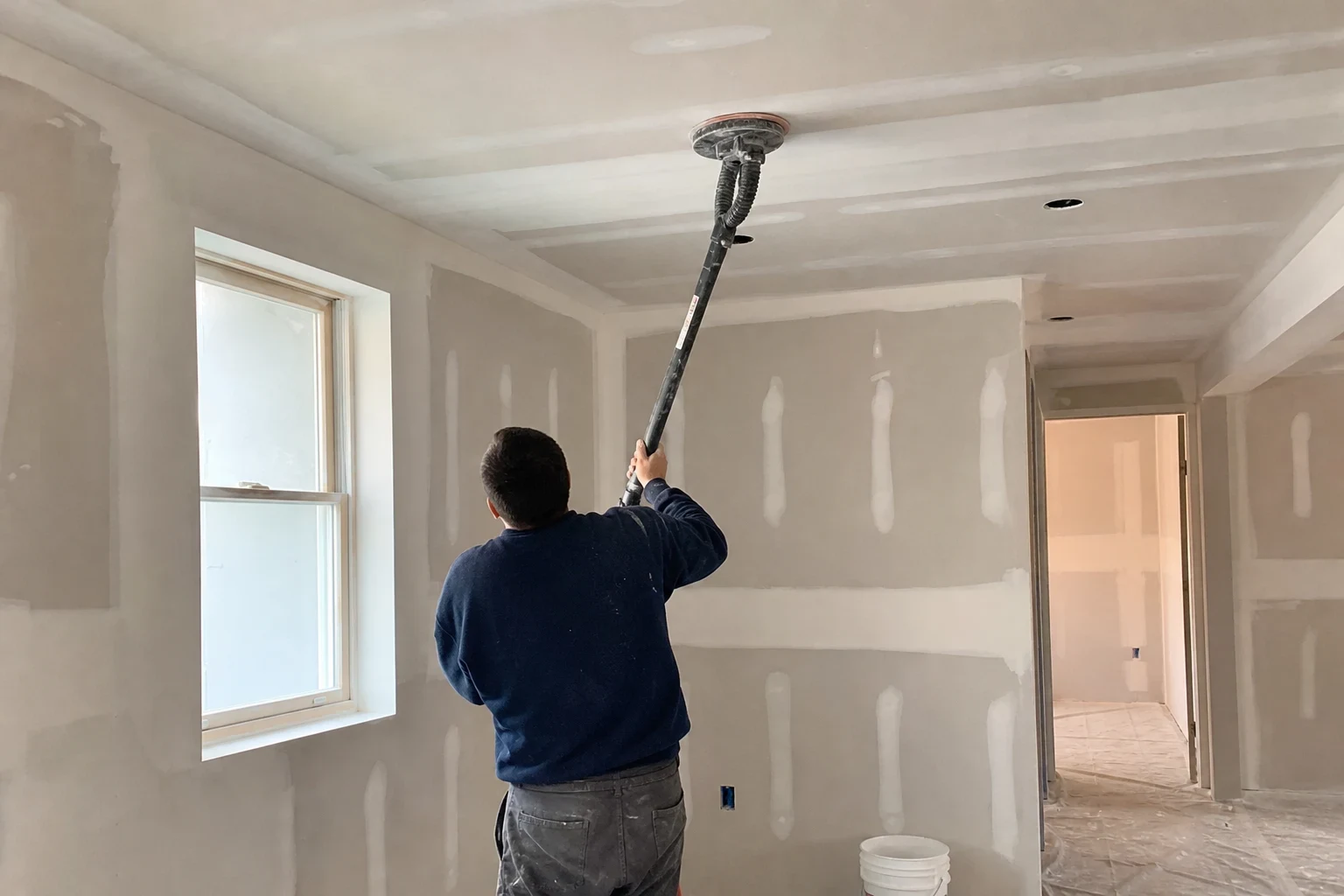
What drywall finishing is and when you need it
Hanging drywall is half the job. Finishing is the other half, and it is the part you see. It means taping every joint, covering every screw, setting corner bead on outside corners and building up thin coats of joint compound until the wall reads as one flat surface.
You need it after new drywall goes up, after a large repair, or when a wall was finished poorly and the tape lines show through the paint. If your board still needs to go up, start with our drywall hanging page. If it is already on the wall, this is the next step.
One person from our company answers your questions, sets the schedule and checks the work at every coat. You are not passed between a salesperson, a crew lead and an office.
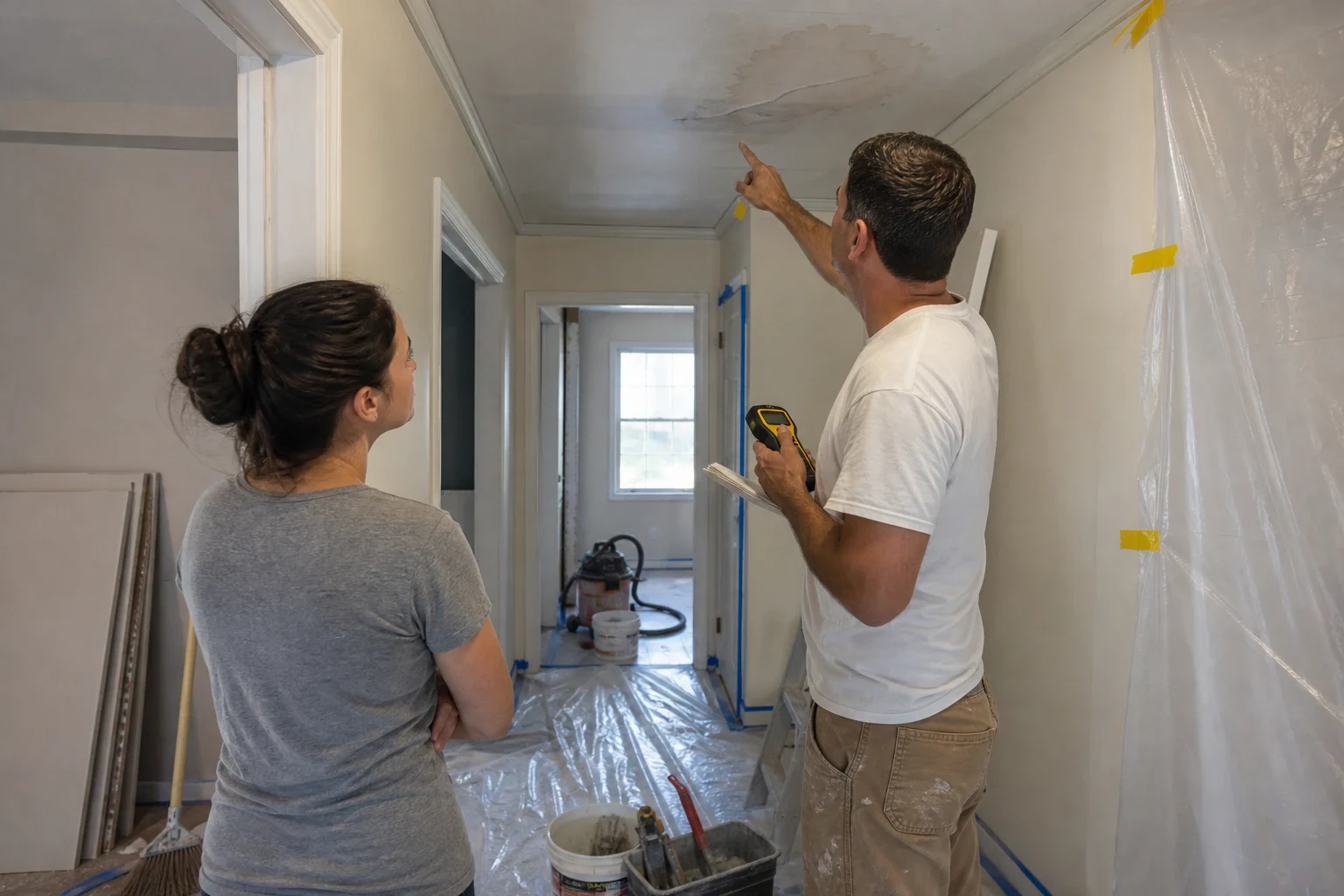
What the finishing work includes
- 01
Taping every joint
We embed paper tape in the first coat on flat seams and inside corners. Paper holds up better than mesh on long joints and is less likely to crack later.
- 02
Corner bead on outside corners
Metal or paper-faced bead goes on every outside corner before mud. It keeps corners straight and stops them from denting the first time a vacuum bumps them.
- 03
Fill and finish coats
After the tape coat dries, we apply wider fill and finish coats, feathering each one past the last. On most walls that means three coats, sometimes more on butt joints.
- 04
Skim coating when it is called for
For walls that will get flat light from a window or a glossy paint, we skim the whole surface with a thin coat. That hides the small differences between the paper face and the mud.
- 05
Sanding and dust control
We sand between coats and after the last one, then check the wall with a work light held flat to the surface. Floors are covered, vents are closed off and we leave a clean work area.
Questions about Drywall Finishing?
Call(718) 841-0874Signs your drywall needs finishing work
You can see the seams
If tape lines or joints show through the paint, especially when sunlight hits the wall at an angle, the joints were not feathered wide enough.
Screw heads popping through
Small round bumps or dimples in rows are screws that were never covered well. They need to be reset and covered again.
Bubbled or loose tape
Tape that lifts or bubbles was set without enough mud behind it. It has to be cut out and redone, not painted over.
Bare board after a renovation
The board is up but nobody finished it. Maybe the last contractor left, or you hung it yourself and want a smooth result.
Cracks running along joints
A straight crack along a seam or at an inside corner often means mesh tape or a thin tape coat. We retape it properly.
How a finishing job runs
- 1
Talk it through by phone
You tell us the size of the room and what state the walls are in. We ask a few questions and set up a time to look at it.
- 2
Look at the walls in person
We check the joints, corners and screw spacing and tell you how many coats and days it will likely take. You get a written estimate before any work starts.
- 3
Prep and tape coat
We cover floors, mask off doorways and close vents. Then the tape goes on and corner bead gets set.
- 4
Fill and finish coats over several days
Each coat needs to dry before the next one, usually overnight, longer in a damp basement or a humid summer week. We come back for each coat and sand in between.
- 5
Final check and cleanup
We go over every wall with a light to catch any ridges, touch them up and sand once more. Then we vacuum, take the covers up and walk the room with you.
What moves the price of drywall finishing
Finishing is priced on labor more than material, since joint compound and tape are cheap compared with the hours of coating and sanding. The biggest swing comes from how smooth the final surface needs to be. We explain each of these on your estimate so nothing comes up later.
- Square footage and number of joints
- A big room with long straight seams goes faster per foot than a small room broken up by closets, soffits and windows.
- Level of finish
- A garage wall that will get a flat paint needs less work than a living room wall that gets eggshell paint and strong side light. A full skim coat adds a day or more.
- Ceilings and height
- Ceiling joints take longer and need staging. Tall stairwells or cathedral ceilings add setup time.
- Condition of what is there
- Redoing someone else's finishing costs more than starting on fresh board, because bad tape has to come off first.
- Drying time and trips
- Each coat means another visit. Damp spaces that dry slowly can add a day to the schedule.
Drywall finishing questions
How long does drywall finishing take?
Most rooms take three to five days from tape coat to final sanding. The actual work each day is a few hours, but each coat has to dry before the next. A skim coat or a damp basement adds time.
Can I paint right after you finish?
Yes, once the final coat is dry and sanded. Use a drywall primer first, because bare mud and paper soak up paint differently and will show through a single coat of paint. We can handle small paint touch-ups where needed.
How much dust will there be?
Sanding drywall makes fine dust. We cover floors, seal doorways with plastic, close vents and vacuum at the end of each day. You will not come home to a film of white powder through the house.
Can you fix finishing another contractor left half done?
Yes. We look at what is there first. Tape that is sound can stay, and loose or bubbled tape gets cut out and redone before we coat over it.
Do you use mesh tape or paper tape?
Paper tape for flat seams and inside corners on most jobs. It is stronger on long joints. Mesh with setting compound has its place on some patches, and we will tell you where and why.
Who do I talk to during the job?
The same person you spoke with on the first call. They schedule each coat, answer questions and do the final walk-through with you.
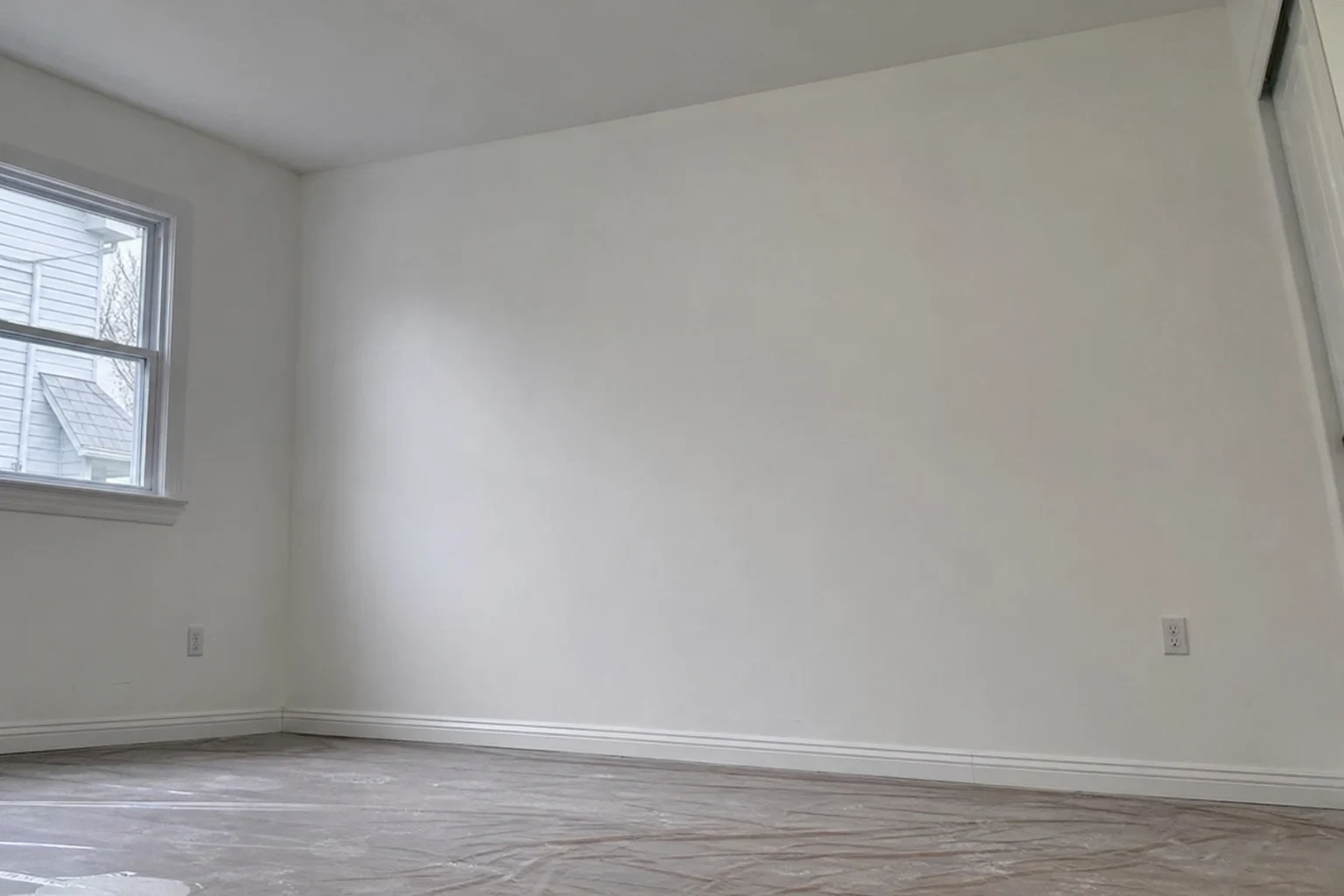
Ready to get those walls smooth
Tell us about the room and what is on the walls now. You get your quote by phone and a clear plan for each coat.