ServicesPaint-Ready Walls
Paint-Ready Walls in Staten Island
Fresh paint shows every flaw underneath it. We fix the drywall first. We patch the damage, finish the seams, sand smooth and prime, then touch up our repair spots. One person plans the work with you, runs the job day and walks the room with you at cleanup.
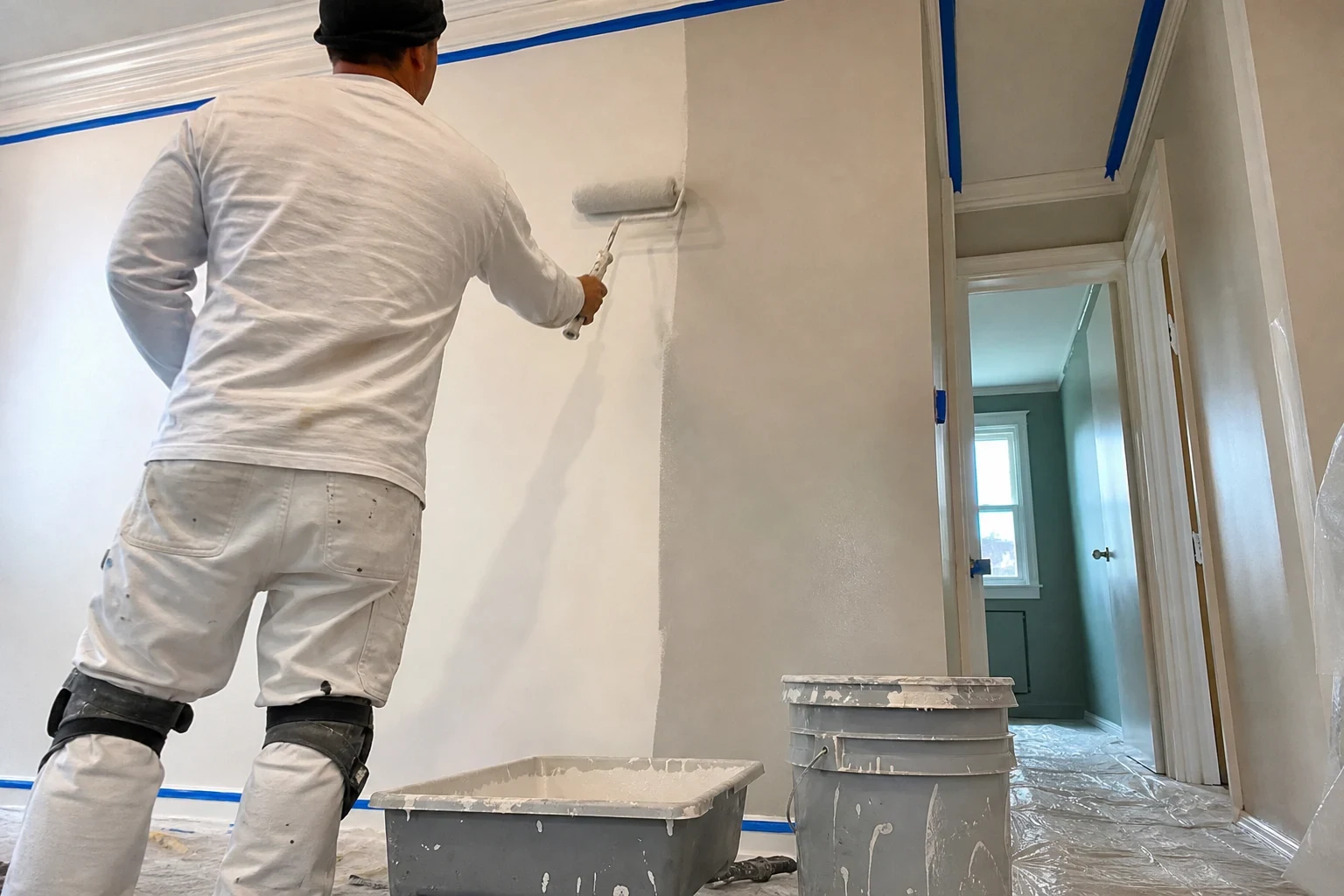
Good paint starts with the wall under it
A new coat of paint does not hide dents, nail pops or cracked tape. It makes them easier to see, especially on a wall that gets side light from a window. That is why we focus on the drywall. We get the surface flat, sound and primed so the color you pick looks the way it did on the sample card.
We do not paint whole rooms. Our job is to hand you walls and ceilings that are ready for your painter, or for you, with paint touch-ups over the areas we repaired. You talk to one person the whole way through. That person sees the walls, writes the estimate, schedules the work and checks the finish before we leave.
What the prep work covers
Holes and dents
We patch doorknob holes, anchor holes and dents from furniture. Small ones get filled and feathered. Bigger ones get a new piece of drywall cut in.
Seams and tape
Loose or bubbled tape gets cut out and re-taped. We bed it in fresh compound so the seam stays down and does not telegraph through the paint.
Skim coating rough walls
Walls with years of roller texture, old patches or torn paper get a thin skim coat. It gives you one even surface instead of a patchwork.
Sanding and dust control
We sand by hand and with a vacuum-attached sander where it fits the job. Floors and furniture stay covered, and we keep a clean work area as we go.
Primer on new compound
Bare compound soaks up paint differently than the wall around it. We prime every repair so the finish coat looks even.
Touch-ups over repair spots
Where you have matching paint, we touch up the spots we repaired so the room looks finished until it gets a full coat.
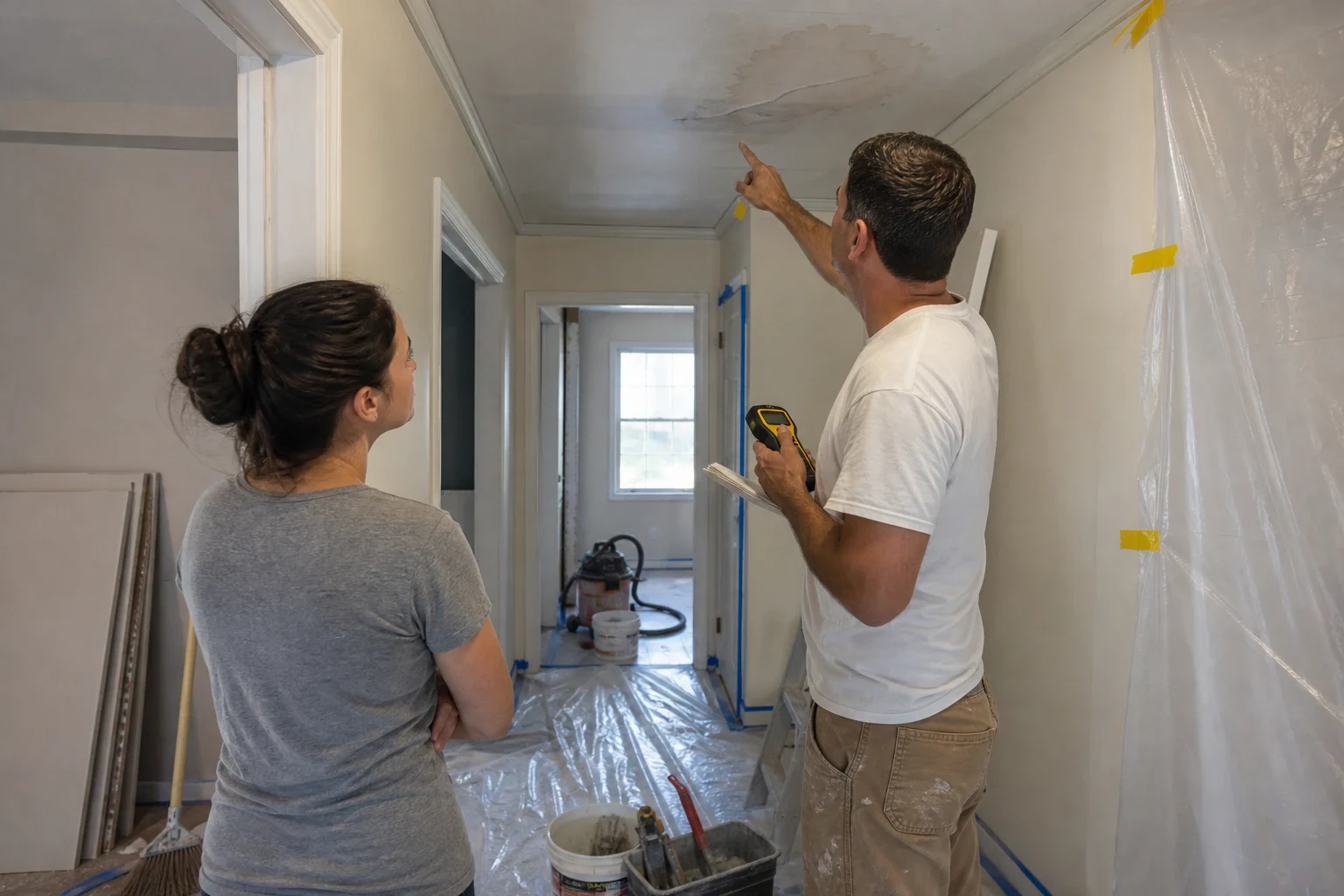
Signs your walls need work before they get painted
- Shiny or dull patches
- After the last paint job, some spots look flat and others look glossy. That is usually unprimed compound underneath, and another coat will not fix it.
- Nail pops in rows
- Small round bumps along a stud line mean the fasteners have backed out. Painting over them just paints the bump.
- Cracks that keep coming back
- A crack above a door or at a ceiling corner that returns after caulk and paint needs to be taped and finished, not filled again.
- Old patches you can still see
- If you can spot past repairs from across the room, they were not feathered wide enough. We blend them out before color goes on.
- Heavy texture from layers of paint
- Many older homes have decades of paint on the walls. The buildup hides edges and catches dust, and a skim coat brings the surface back to flat.
How the job goes
- 1
Walkthrough and estimate
The same person you spoke with on the phone comes out, looks at every wall in question and marks what needs work. You get a written estimate that lists the repairs room by room.
- 2
Protecting the room
We lay drop cloths, cover furniture and tape off outlets and trim. If you can move small items before we arrive, it saves time.
- 3
Repair and finish coats
We patch, tape and apply compound in thin coats. Each coat has to dry before the next, so most rooms take more than one visit.
- 4
Sanding, priming and a light check
We sand smooth, then hold a work light low across the wall to catch ridges and edges. Anything that shows gets fixed before the primer goes on.
- 5
Cleanup and final walk
We vacuum, pull the coverings and walk the room with you. If something is not right, you tell the same person and it gets handled.
What sets the price
Every room is different, so we price after we see the walls. The estimate breaks out each repair, so you know what you are paying for and nothing gets added without a talk first.
- How many repairs
- A few nail holes and one dent is a short job. A wall full of anchor holes from shelves or a TV mount takes longer.
- Condition of the surface
- Spot repairs cost less than a full skim coat. If the paper is torn or the old paint is peeling, we have to fix that first.
- Ceilings and height
- Ceiling work and tall stairwells need ladders or a plank setup, and overhead work is slower.
- Texture matching
- Smooth walls are simplest. Matching an existing orange peel or knockdown texture adds a step.
- Drying time and visits
- Humid summer weather slows compound drying, which can mean an extra trip to finish the coats.
Questions about getting walls ready for paint
- Do you paint the whole room?
- No. We do the drywall work and leave the walls primed and ready for a finish coat. We will do paint touch-ups over our repair spots if you have the matching paint. Your painter, or you, takes it from there.
- How soon can my painter start?
- Once we prime, the walls are ready as soon as the primer dries, usually the same day or the next. We will tell you the date during the estimate so you can book your painter around it.
- Will the repairs show through the new paint?
- They should not. We feather compound wide, check the wall with a low work light and prime every repaired area. Primer is what stops those shiny or dull spots after painting.
- How much dust should I expect?
- Sanding makes dust, but we keep it contained. We cover floors and furniture, close off the room where we can and vacuum at the end of each visit.
- Who do I talk to if I have a question mid-job?
- The same person who gave you the estimate. They know your walls, the schedule and what was agreed, so you never have to explain it twice.
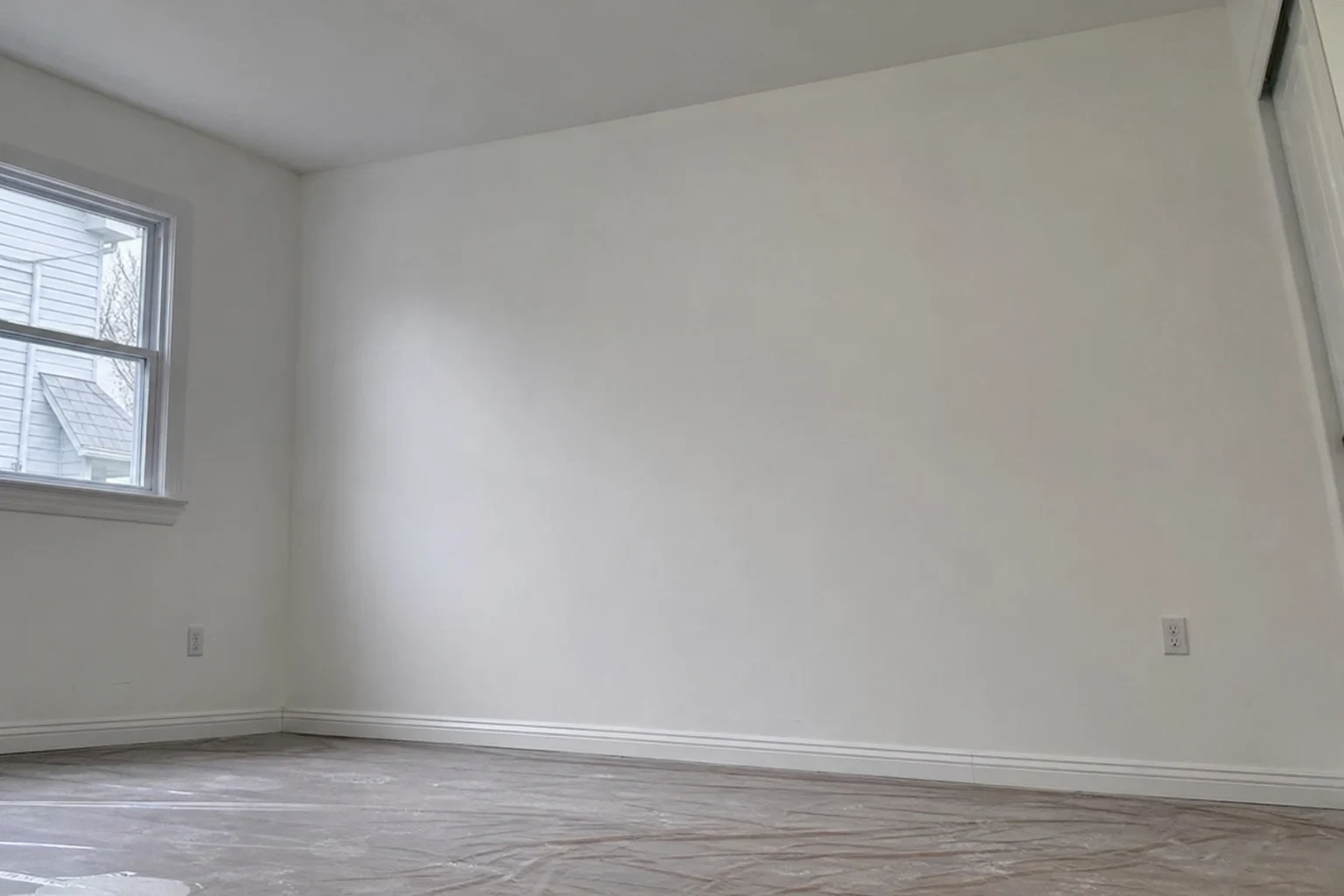
Get the walls right before the color goes on
Tell us which rooms you are painting and what the walls look like now. We will set up a walkthrough and give you a written estimate.