ServicesDrywall Patching
Drywall Patching in Staten Island
A hole in the wall is a small job, but a bad patch shows for years. We cut it clean, back it properly, feather the mud wide and match the texture. One person handles your job from the first call to the final wipe-down.
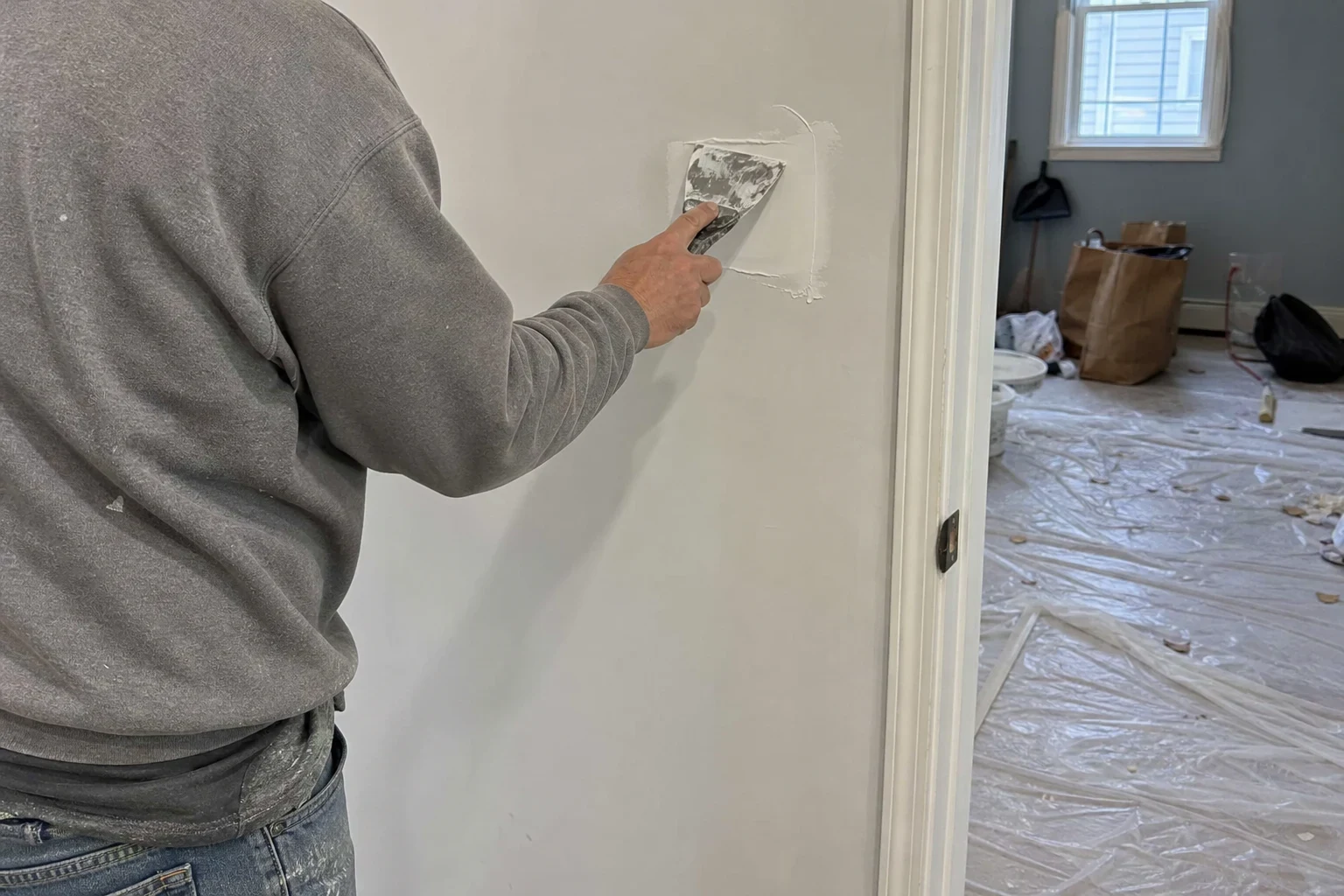
When a Patch Is the Right Fix
Patching is for damage you can cover with one piece of drywall or a backed repair: a doorknob hole, a fist-sized dent, an old outlet box someone moved, a TV mount that tore out. If the board around it is solid and dry, a patch is faster and cheaper than replacing a whole sheet.
If the drywall is soft, stained or sagging, a patch will not hold. That is a drywall repair or wall repair job, and we will tell you so instead of selling you a patch that fails. You talk to the same person on the phone, at the estimate and on the day of the work, so nothing gets lost between people.
What Your Patch Includes
Clean square cut
We cut ragged edges back to a neat square or rectangle. Straight edges take tape and mud evenly and do not crack later.
Backing or a California patch
Small holes get a paper-faced patch set into the wall. Bigger openings get wood or metal backing screwed behind the drywall so the new piece sits flush and stays put.
Tape and feathered mud
Joints get tape and two or three coats of compound, each wider than the last. Feathering the edges out is what keeps the patch from showing as a bump.
Sanding and texture matching
We sand smooth, then match what is already on your wall, whether that is a flat finish, light orange peel or knockdown.
Primer on bare mud
Fresh compound soaks up paint differently than the wall around it. A coat of primer keeps the patch from flashing through. A paint touch-up can be added if you have the paint.
A clean work area
Drop cloths go down before we cut. Dust gets vacuumed and the floor gets wiped before we leave.
Signs a Wall Needs Patching
Doorknob hole behind a door
The most common one we see. A door stop helps after the patch, so the knob does not punch through again.
Anchor and mounting holes
Shelves, curtain rods and TV brackets leave holes that spackle alone will not hide well, especially where the anchor pulled out a chunk of gypsum.
Old cut-outs
Moved switches, abandoned outlets and access holes left after electrical or other work behind the wall.
An earlier patch that shows
A ring around the old repair, a raised edge or a crack along the seam means it was not taped or feathered right. We cut it out and redo it.
Dents and gouges
Furniture moves and move-outs leave scrapes and crushed corners. Landlords often call us with several of these in one unit.
How a Patch Job Goes
- 1
Talk it through by phone
Tell us what the damage looks like, how big it is and how many spots there are. That helps us plan the visit and bring the right materials.
- 2
Look and quote
We check the board around the hole for moisture and soft spots, note the texture and give you a written price. The person who quotes is the person you keep dealing with.
- 3
Patch and first coats
Floors get covered, the hole gets cut square, backed and taped. Mud needs time to dry between coats, so most patches take two short visits or one longer day with fast-setting compound.
- 4
Sand, texture, prime
We sand, match the texture, prime and touch up paint if that was part of the job. Then we clean up and walk the wall with you.
What Moves the Price of a Patch
Most patch jobs are small, so a big part of the price is the trip and setup. Doing several holes in one visit costs far less per hole than calling us back for each one. We give you the price in writing before we start.
- Size and number of holes
- A nail pop and a doorknob hole are quick. A cut-out the size of a shoebox needs backing and more coats.
- Texture
- Smooth walls are simplest. Orange peel and knockdown take extra time to blend so the spot does not stand out under a lamp or window light.
- Location
- Ceilings, stairwells and spots behind built-ins take longer to reach and protect.
- Paint
- If you have the leftover paint, a touch-up is easy. If not, matching an old wall color can mean painting the full wall section corner to corner.
Drywall Patching Questions
Something not covered here? (718) 841-0874
Will I be able to see the patch afterward?
Done right, no. The keys are feathering the mud wide, sanding flat and matching the texture. The one thing that can show is paint, if the wall color has faded or the old paint is not available. We will tell you up front if that is a risk.
How long does a patch take?
The hands-on work is short. Drying is what takes time. With regular compound it usually means two visits a day apart. Fast-setting mud can get it done in one day for smaller holes.
Do I need to be home?
Someone needs to let us in. Plenty of landlords and property managers arrange access and check the work afterward. Your one contact keeps you posted by phone either way.
Can you patch plaster walls too?
Many older houses have plaster, not drywall. Small holes in plaster can often be patched with similar methods. Larger plaster damage may need a different approach, so we look at it before quoting.
Why not just use spackle myself?
For nail holes, spackle is fine. Anything bigger than a coin needs backing and tape, or it cracks and sinks as it dries. That is usually when people call us to redo it.
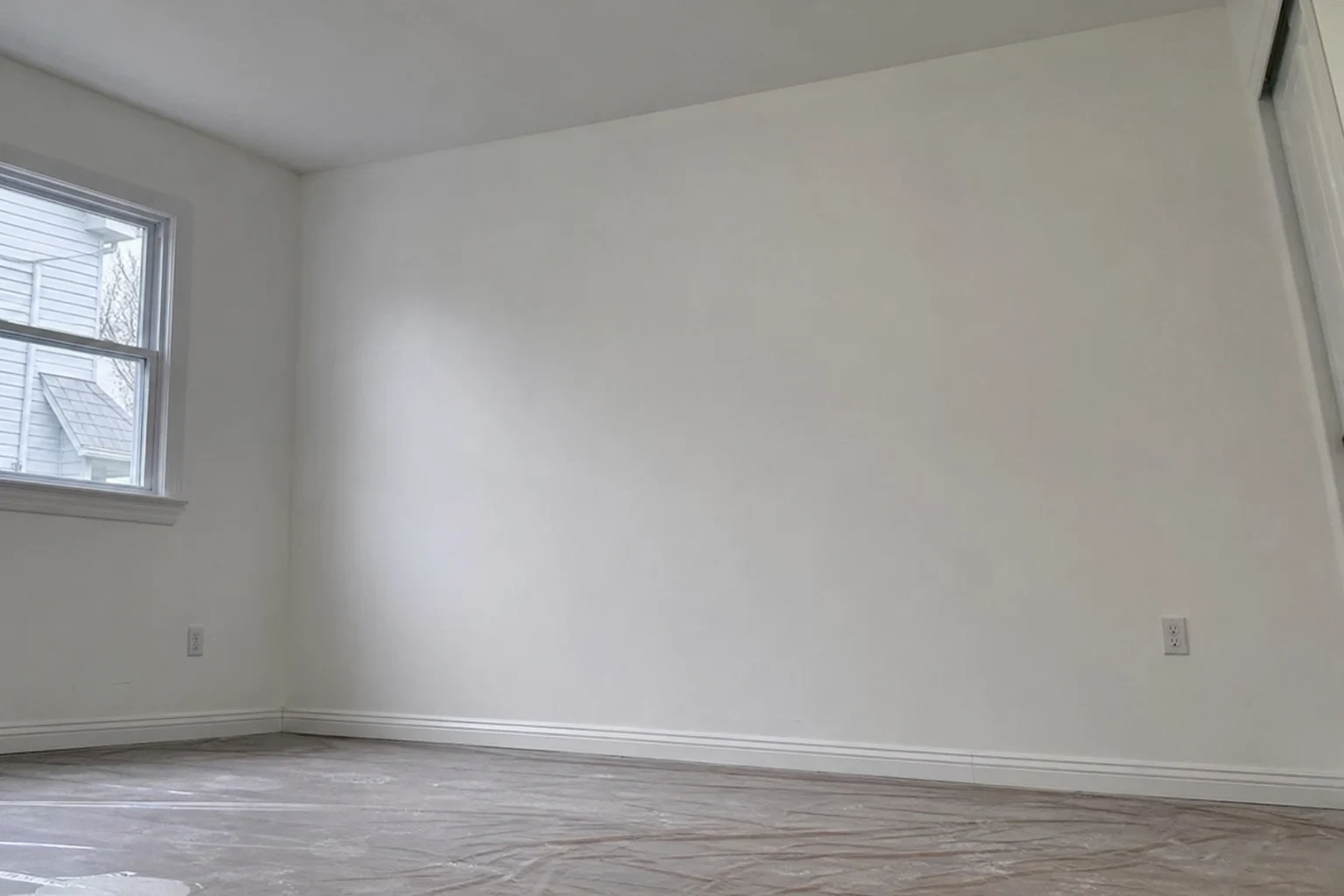
Got a Hole You Are Tired of Looking At?
Tell us how many spots and where they are. You get one person who quotes it, does it and cleans up after.