ServicesWall Repair
Wall Repair in Staten Island
We fix the walls in your home that have cracked, dented, bulged or opened up. Drywall or old plaster, one hole or a whole hallway. One person walks the job with you, explains the fix, and stays your contact until the area is clean.
What wall repair covers
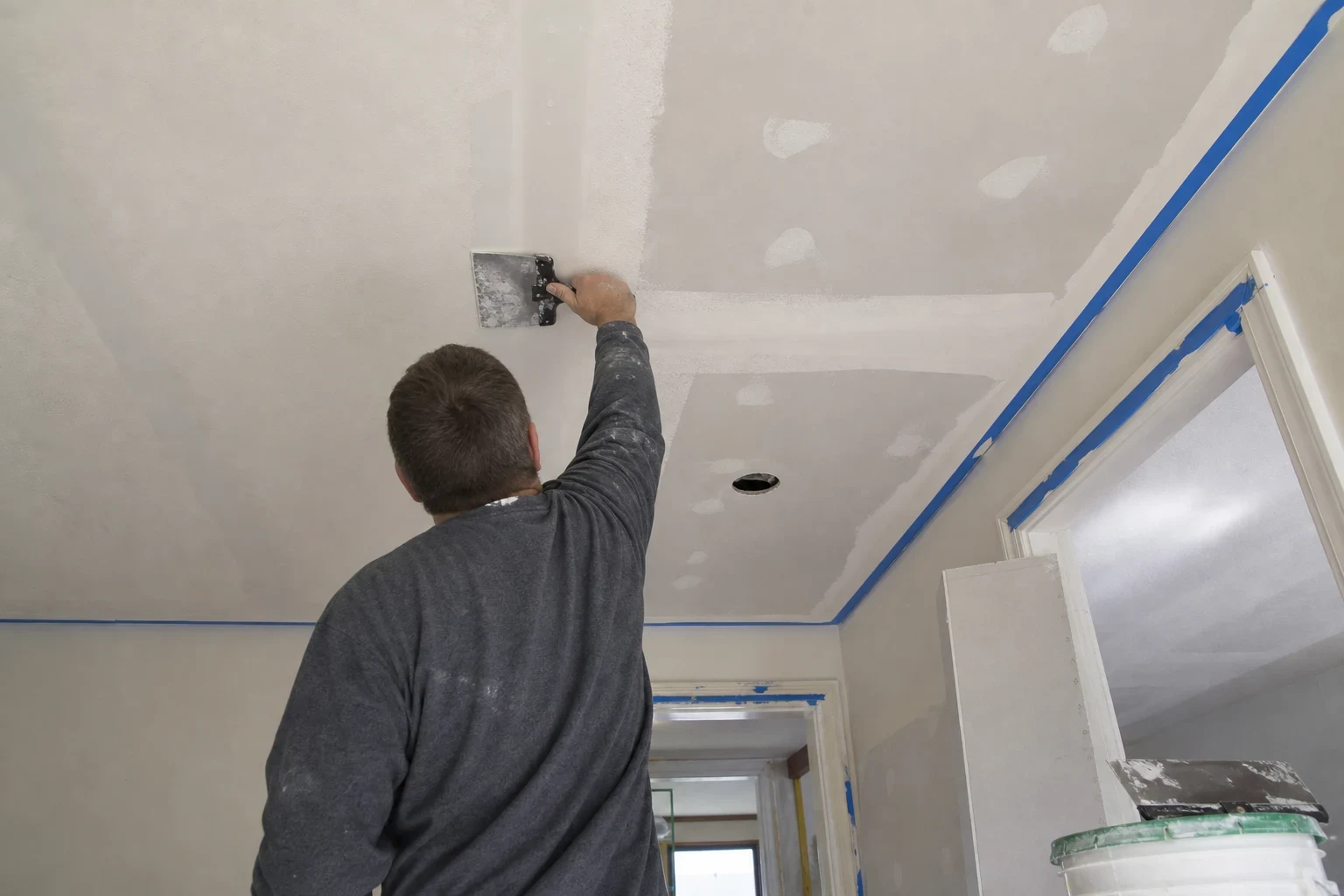
Wall repair is the fix for damage you can see on a finished wall. A doorknob hole. A crack running up from a window corner. A dent where furniture hit. A soft, stained patch left after a leak was fixed. We cut out what is bad, rebuild the surface, and finish it so it matches the wall around it.
Plenty of homes on Staten Island still have plaster walls in some rooms and drywall in others, often from later renovations. The two take different repairs. Plaster cracks along the lath and can come loose from it. Drywall fails at the tape seams, the screws and the corners. We look at what your wall is made of before we say how to fix it.
If the damage is mostly holes, our drywall patching page goes deeper. If a wall needs new sheets from the studs out, see drywall hanging.
What we do on a wall repair
Crack repair that holds
We open the crack slightly, tape it with mesh or paper, and bed it in compound. Just filling a crack with spackle almost always brings it back within a season.
Holes and dents
Small dents get filled and feathered. Bigger holes get cut square, backed, and patched with new drywall so the repair is solid, not just filler over air.
Water-damaged sections
Once the leak is fixed and the wall is dry, we cut out soft or stained board, replace it, and seal the area so old stains do not bleed through.
Plaster walls
We re-secure loose plaster, fill cracks, and patch missing pieces so the repair sits flat with the old surface.
Corner bead and seams
Dented or rusted corner bead gets replaced. Lifting tape and popped screws get reset, taped and finished.
Texture matching and paint touch-up
We match the existing texture, sand it smooth, and can do a paint touch-up over the repair when you have the paint or the color on hand.
Signs a wall needs repair
Cracks that keep coming back
If you have filled the same crack twice, it was never taped. It needs a proper repair.
Bulging or soft spots
Press on the wall. If it gives or feels spongy, the board or plaster behind the paint has let go, often from old moisture.
Lines or bubbles at the seams
Tape that is lifting shows as a straight raised line or a bubble. It will keep peeling if it is left alone.
Round bumps in a row
Those are popped screws or nails. They are an easy fix, but they spread if the board is moving.
Stains after a leak
A brown ring that came back after you painted means the board took on water. It needs sealing at minimum, and often replacing.
How a wall repair job runs
- 1
Phone call and walkthrough
You call, describe the damage, and we set a time to look. The same person you talk to on the phone is the one who looks at the wall and gives you the estimate.
- 2
A clear, written estimate
You get a written estimate that lists each repair. If something can be patched instead of replaced, we tell you.
- 3
Protect the room
We lay drop cloths, cover furniture, and tape off the work area. Dust is part of this work, so we keep it contained.
- 4
Repair, dry, sand
Compound needs time to dry between coats. Most wall repairs take two or three visits, or one longer day with fast-setting compound on smaller jobs. We sand between coats until the repair is flat.
- 5
Cleanup and a final look
We vacuum, pick up the plastic, and walk the wall with you in good light before we call it done.
What moves the cost of wall repair
We price wall repair by the actual damage, not a flat guess. Two holes the same size can cost different amounts depending on what is behind them. You get the full number in writing before work starts.
- Size and number of repairs
- One crack is a short job. A hallway with a dozen dents and two holes takes longer, though grouping repairs into one visit saves you time.
- Drywall or plaster
- Plaster repairs usually take more steps, especially when sections have come loose from the lath.
- Water damage
- Soft or stained board has to come out and be replaced, which adds material and drying time.
- Texture and finish
- A smooth wall is simpler to blend than an orange peel or knockdown texture that has to be matched by hand.
- Access
- High walls in stairwells need ladders or planks, and crowded rooms take setup time to protect.
Wall repair questions
Something not covered here? (718) 841-0874
Will I be able to see where the wall was fixed?
The goal is that you cannot. We feather the compound wide, match the texture, and sand until it is flat. The last step is paint, and a small touch-up over fresh compound can show if the old paint has faded, so we talk about that up front.
Why does my crack keep coming back after I fill it?
Filler alone has nothing holding it together, so normal movement in the house reopens it. We tape the crack and bed it in compound. That gives the repair strength to move with the wall.
Can you fix plaster, or do you replace it with drywall?
Most plaster damage can be repaired in place. If a section is badly loose or crumbling, we may cut it out and patch with drywall built up to the same thickness. We explain which way makes sense for your wall before starting.
Do I need to move my furniture?
Pulling things a few feet off the wall helps. We cover what stays in the room and protect the floor. If something is too heavy to move, tell us on the call and we will plan around it.
Do you work for landlords and property managers?
Yes. We repair walls in occupied and vacant units. One person schedules with you or your tenant and keeps you posted on the progress.
Tell us what your wall looks like
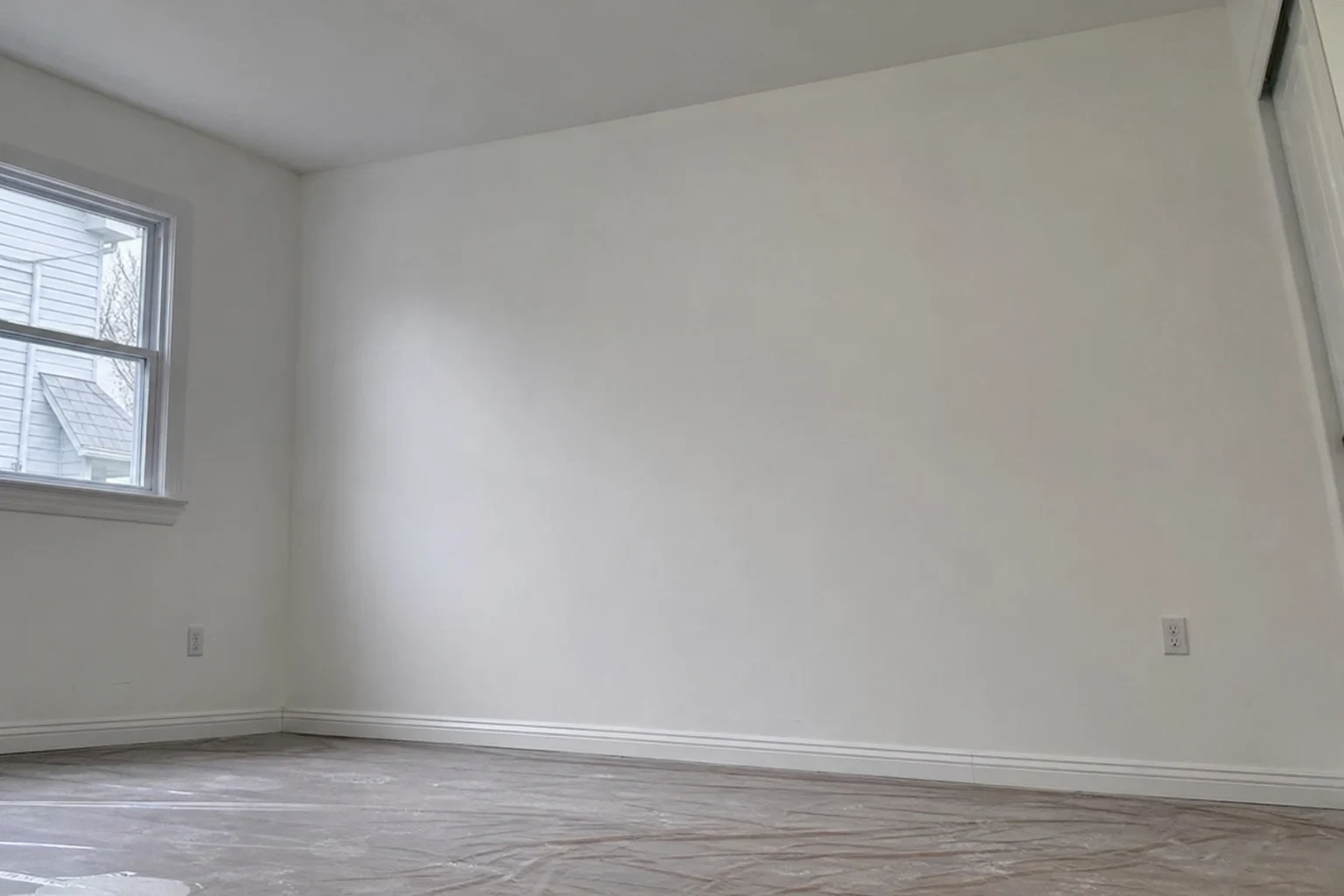
A quick description and a look at the wall is all we need to give you a clear plan. You will deal with one person from the first call to the final cleanup.