ServicesDrywall Repair
Drywall Repair in Staten Island
We fix damaged drywall in your home: holes, cracks, popped nails, soft spots from old leaks. The same person who looks at the wall answers your questions, sets the schedule and checks the finished work before we leave.
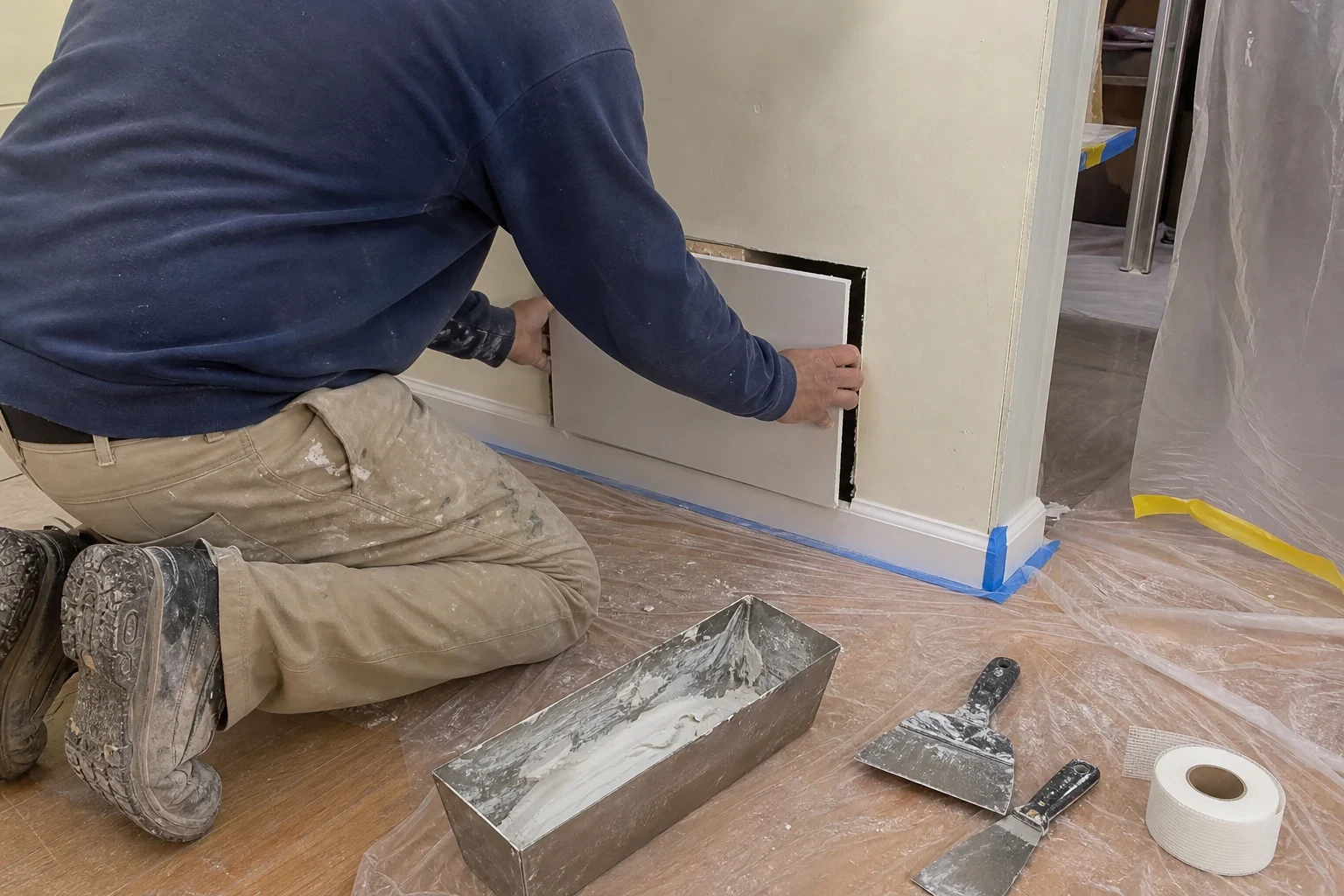
What drywall repair covers
Drywall is gypsum pressed between two sheets of paper. It is easy to work with, but it dents, cracks at the seams and falls apart when it stays wet. Most damage we see is a doorknob hole, a crack running off a door corner, nail heads pushing through the tape, or a stained section where water got in.
Repair is the right call when the damage is limited to one area and the framing behind it is sound. If a whole room is beat up, or the board is soft across a wide section, we will tell you that hanging new drywall makes more sense. You get a straight answer either way.
You deal with one person the whole time. No passing your job between an estimator, a scheduler and a crew you have never met.
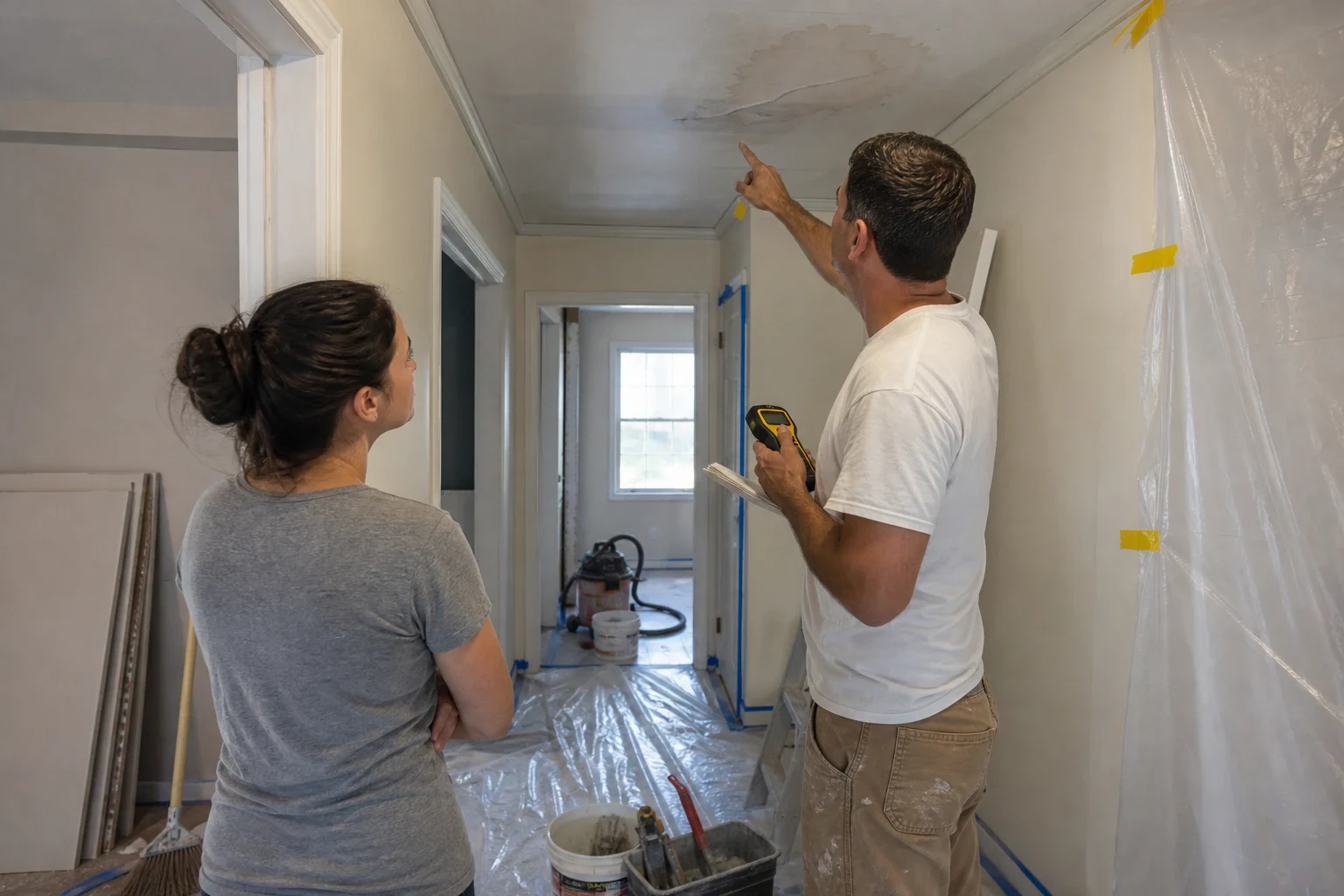
What's included in a repair
- 01
Looking behind the damage
We check whether the board is dry and firm and whether the studs or joists behind it are solid. A patch over wet or loose material will crack again.
- 02
Cutting out bad material
Crumbling or stained drywall gets cut back to clean, solid board. We square up the opening so the new piece fits tight.
- 03
New board, tape and compound
We fasten new drywall to framing or backing, tape the joints and apply several thin coats of joint compound. Each coat dries before the next goes on.
- 04
Sanding and texture matching
We sand the repair flat and feather it into the surrounding wall. If your wall has texture, we match it so the repair does not show as a smooth square.
- 05
Primer and paint touch-up
Fresh compound soaks up paint differently than the old wall, so we prime it. If you have your paint can, we can do a paint touch-up on the repaired area.
- 06
A clean work area
We cover floors and furniture, keep the dust contained and clean up before we go.
Questions about Drywall Repair?
Call(718) 841-0874Signs your drywall needs repair
Holes from doorknobs or moving
A hole behind a door or a gouge from furniture will only get bigger. Small ones are a quick fix.
Cracks at corners and seams
Cracks that run from the corners of doors and windows, or along a taped seam, usually mean the tape has let go. Filling them with caulk does not last.
Nail pops
Little round bumps in a line are nail heads backing out. We reset them with screws and refinish the spots.
Stains, bubbles or soft spots
Brown rings or paper that bulges point to past water. Once the leak is fixed and the area is dry, the damaged board should come out.
Old patches that show
A patch you can see in side light, or one that has cracked around its edges, can be redone so it blends in.
How a repair job goes
- 1
Phone call and walkthrough
You call, describe the damage and we set a time to look at it. The person you talk to is the person who comes out.
- 2
Written estimate
You get a written estimate that says what we will fix and how. If we find something that changes the job, we show you before doing anything extra.
- 3
Repair day
We set up drop cloths, cut out the damage, install new board and apply the first coats of compound. Most repairs need drying time between coats, so smaller jobs often take two or more short visits.
- 4
Finish and cleanup
We sand, match texture, prime and touch up paint if you want it. Then we clean up and walk the work with you.
What moves the price of drywall repair
Every repair is priced from what we actually see on the wall. A small hole and a stained ceiling section are very different jobs. Here is what makes the biggest difference.
- Size and number of areas
- One hole costs less than five spread around the house. Grouping repairs into one visit saves you money on setup and travel.
- What we find behind the wall
- Wet insulation, loose framing or old damage under a previous patch adds work. We show you what we find before we go further.
- Texture and finish level
- A smooth wall is simpler to blend than a knockdown or orange peel texture. Matching texture takes extra time and care.
- Height and access
- High walls in stairwells, ceilings and tight closets take ladders, scaffolding or more setup time.
Drywall repair questions
Will I be able to see where the repair was?
Our goal is that you can't. We use thin coats, sand them flat and match your texture. Paint is the last piece, and older paint that has faded may need a wider touch-up to blend.
How long does a drywall repair take?
Small holes and cracks are often done in a couple of short visits because compound needs to dry between coats. Larger water-damaged sections take longer. We give you a schedule with the estimate.
Can you fix water-damaged drywall?
Yes, once the source of the water has been fixed by the right trade and the area is dry. We cut out the stained or soft board and replace it. Covering a wet wall just traps the problem.
Does my insurance cover this?
It depends on your policy and what caused the damage. We can give you a written estimate and photos of the damage to share with your insurer. Your adjuster makes the coverage decision.
Do I need to move my furniture?
Moving small items and wall hangings away from the area helps. We cover what stays and protect your floors. If something heavy is in the way, tell us when you call and we will plan for it.
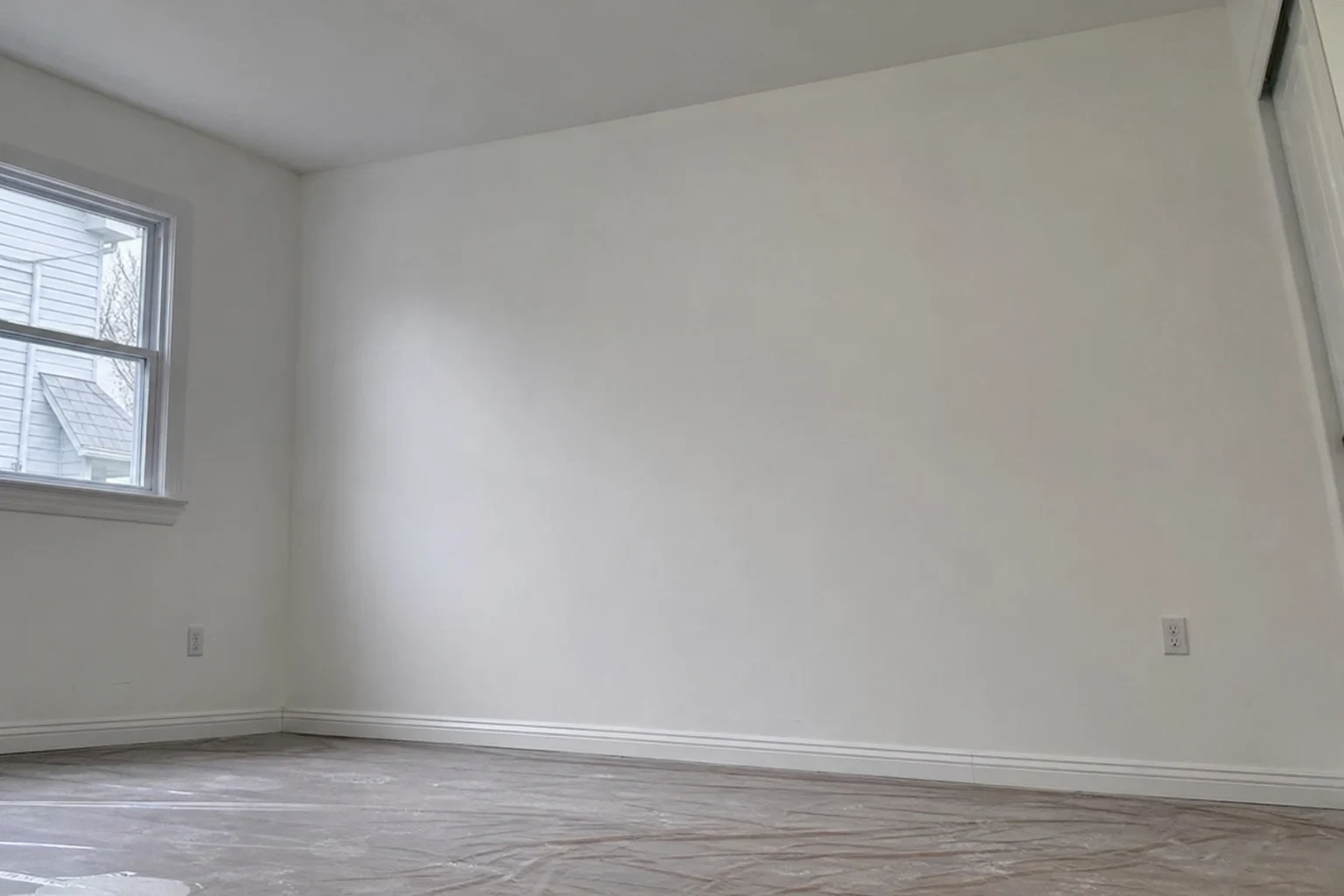
Get that wall fixed
Tell us what the damage looks like and where it is. You will talk to the same person from the first call to the final walkthrough.